
Enterprise Overview: Digital Modernization in Commodity Trading
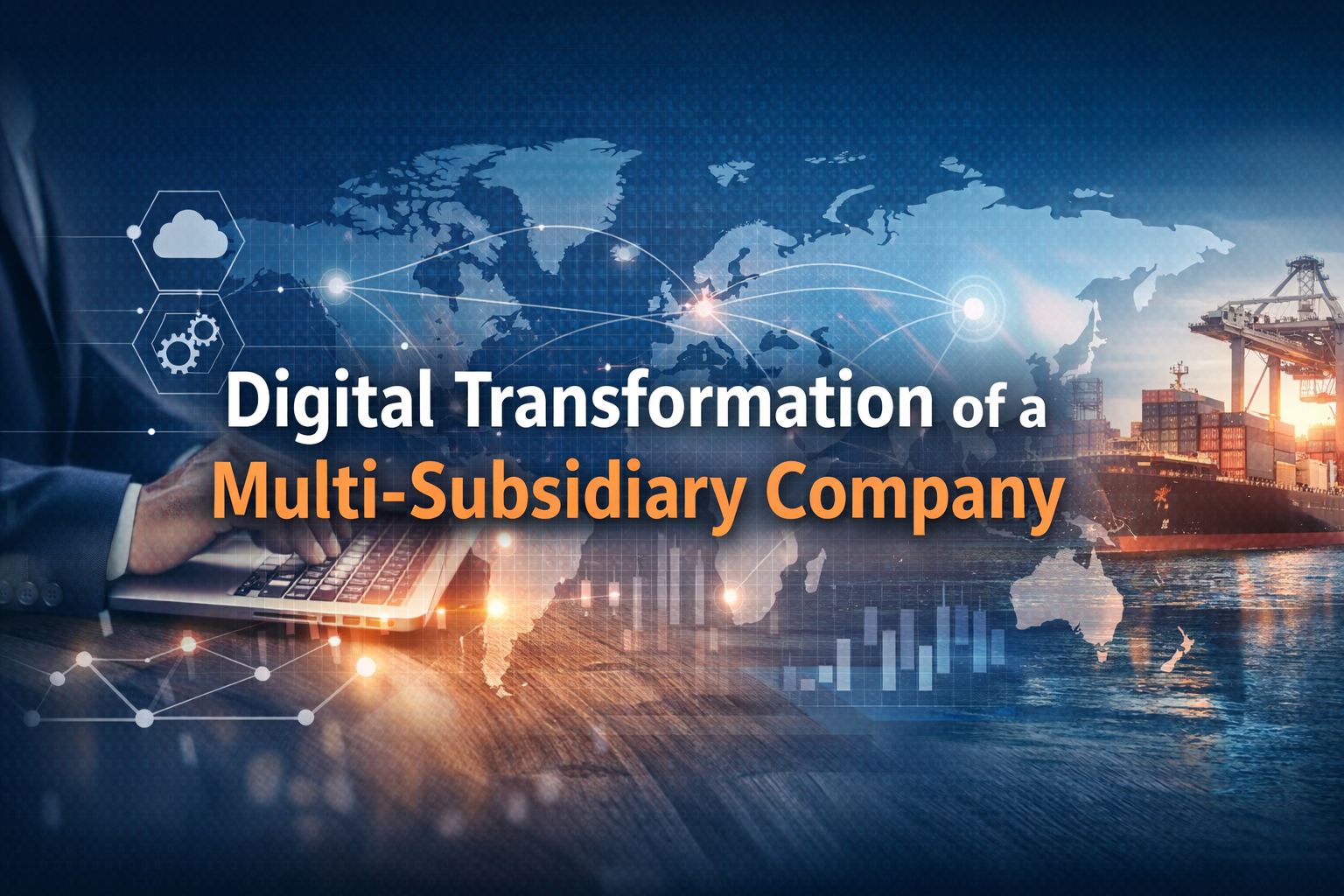
A multinational commodity trading company operating five subsidiaries across the Americas launched a large-scale digital transformation strategy to modernize its commercial, logistics, and financial operations as part of the Digital Transformation of a Multi-Subsidiary Company initiative.
Managing a dozen Excel files for logistics coordination and commodity position tracking, along with limited CRM automation, the organization faced rising operational complexity, financial risk exposure, and scalability challenges as part of the Digital Transformation of a Multi-Subsidiary Company.
Schedule a strategy session today. Contact us
By partnering with Nextant, the company implemented a unified commodity trading orchestration platform built on Microsoft Dynamics 365 Sales. The result was a centralized, real-time system of record that connected commercial, operational, and financial workflows across all subsidiaries.
Ready to eliminate spreadsheets and gain real-time visibility across your subsidiaries? Partner with Nextant to design a scalable commodity trading platform tailored to your business.
Business Challenges: Fragmented Systems and Limited Visibility
As the company expanded across multiple countries, it began to experience increasing technology silos and process fragmentation. As part of the Digital Transformation of a Multi-Subsidiary Company, this included reliance on more than 130 Excel spreadsheets to support logistics, inventory, and position management, as well as underutilized CRM automation capabilities. Financial hedging workflows remained disconnected, and separate accounting systems were used across subsidiaries, further complicating operations.
The organization also faced limited real-time visibility into commodity exposure and market positions. As part of the Digital Transformation of a Multi-Subsidiary Company, commercial, operations, and finance teams relied heavily on manual reconciliation to align purchase contracts, sales agreements, shipping documentation, and hedging positions in commodity options markets.
This fragmented environment resulted in:
- Increased transaction cycle times
- Higher risk of data inconsistencies
- Limited cross-functional transparency
- Reduced scalability across subsidiaries
The organization required a scalable, enterprise-grade commodity trading platform capable of unifying workflows and supporting end-to-end digital business orchestration.
Digital Solution: Centralized Commodity Trading Platform
Following a six-week discovery and process assessment, Nextant designed and deployed a centralized commodity trading orchestration platform that became the company’s single source of truth.
The solution unified commercial, logistics, and financial operations into a real-time digital ecosystem, eliminating spreadsheet dependency and manual reconciliations as part of the Digital Transformation of a Multi-Subsidiary Company.
Core Platform Capabilities
The commodity trading solution delivered end-to-end functionality across the entire trading lifecycle. As part of the Digital Transformation of a Multi-Subsidiary Company, it included robust capabilities for managing commodity purchase and sales contracts, coordinating logistics, and automating shipping workflows. The platform also enabled efficient tracking of customs clearance, ensuring greater visibility and control over cross-border operations.
In addition, it supported comprehensive inventory and position management, as well as real-time reconciliation of financial exposure. Hedge tracking across commodity options markets was fully integrated, enabling more precise monitoring of risk and financial performance.
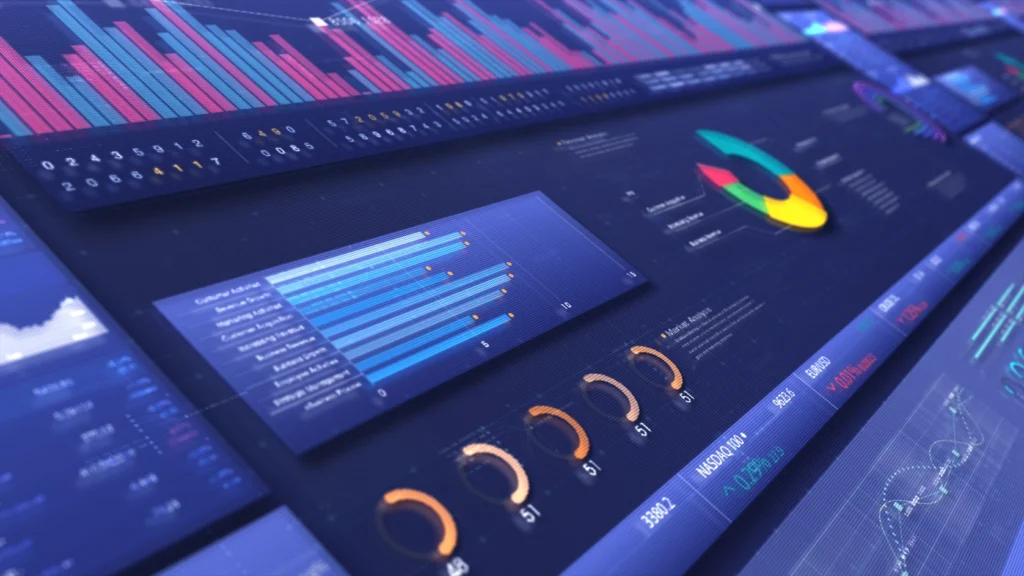
By consolidating live market pricing, inventory levels, and hedge positions into a unified financial dashboard, leadership gained access to accurate, real-time insights. This significantly improved decision-making capabilities and enabled more reliable profit-and-loss forecasting.
Governance Framework and Process Orchestration
Beyond technology modernization, the initiative introduced a structured governance model designed to ensure operational consistency across subsidiaries.
Key governance components included clearly defined user roles and permissions, automated business rules and validations, permission-based access controls, and standardized workflow orchestration. As part of the Digital Transformation of a Multi-Subsidiary Company, these elements created a more controlled and efficient operating environment.
This governance framework strengthened compliance, reduced operational risk, and ensured alignment across commercial and financial operations while still preserving the flexibility needed at a regional level.
Business Impact: Operational Efficiency and Financial Control
The unified commodity trading platform generated measurable operational, financial, and strategic gains.
In terms of operational efficiency, the platform automates manual, spreadsheet-driven processes, significantly reducing transaction and logistics cycle times. As part of the Digital Transformation of a Multi-Subsidiary Company, it also improved collaboration among commercial, operations, and finance teams, enabling more streamlined, coordinated workflows.
From a financial visibility and risk management perspective, the solution provided real-time tracking of inventory and commodity positions, along with integrated hedge exposure monitoring. This led to improved reconciliation between market pricing and financial records, as well as more accurate P&L forecasting and financial reporting.
Regarding risk reduction and compliance, the platform minimized manual errors while strengthening governance and audit controls. As part of the Digital Transformation of a Multi-Subsidiary Company, it also enhanced transparency across subsidiaries, ensuring better oversight and more consistent compliance practices.
Scalable Digital Foundation
The company established a modern digital backbone capable of supporting expansion into new markets and the addition of subsidiaries without increasing operational complexity.
Conclusion: Building a Scalable Commodity Trading Digital Backbone
By replacing fragmented spreadsheets and disconnected systems with a centralized commodity trading orchestration platform, the organization achieved a full-scale digital transformation. As part of the Digital Transformation of a Multi-Subsidiary Company, this shift enabled greater integration, efficiency, and scalability across all business units.These outcomes align with best practices in digital transformation, where organizations leverage data and technology to improve operational performance and decision-making.
What began as a process-optimization initiative evolved into a strategic modernization program, delivering real-time financial clarity, operational efficiency, enhanced risk management, and a scalable foundation for long-term growth in the competitive global commodity-trading market.
Transform fragmented systems into a unified digital backbone powered by Microsoft technology. Discover how an integrated orchestration platform can improve forecasting, reduce risk, and accelerate growth.
Talk to our digital transformation experts. Contact us